
Tracing Former Owners of a Hamilton County Property
[PARAGRAPH - Research §2 + §6. The record trail of past owners behind any Hamilton County property, and which era each source covers.]
| Source | Years It Covers | Where Held | What It Shows |
|---|---|---|---|
| Hamilton County SearchIQS deed index | Published online coverage has no confirmed start year | Hamilton County Clerk and SearchIQS | Recorded conveyances and dates |
| older County Clerk deed books and indexes | an online start year that the county has not published | Hamilton County Clerk records room | Grantors and earlier grantees |
| County Clerk survey and subdivision map collection | an online start year that the county has not published | County Clerk map files and New York State Archives | Recorded surveys, subdivision maps, and tax descriptions |
| dated town assessment-roll PDFs | an online start year that the county has not published | Hamilton County Historian and New York State Archives | Annual town rolls as dated supporting evidence |
A search today starts with the county's online records portal. Older chains demand more legwork. County Clerk index books, recorded maps, the Historian's collections, and state archival land series each cover a stretch of the past, and Hamilton County has published no single start date for its online deed records, so the paper trail quietly takes over from there.
Walking the Hamilton County Deed Chain Backward
Walk the chain backward. Begin with the newest deed you can confirm, read who signed as grantor, then hunt for that same person's earlier purchase as grantee, and repeat. Keep the legal description, town, and book and page beside every step, because similar names in Hamilton County will otherwise blur into one invented owner.
- Locate the current grantee.s acquisition deed.
- Copy the prior grantor and all recording references.
- Find the prior owner.s acquisition and repeat the match.
- Move to manual indexes and deed books when digital results stop.
- Grantor / grantee
- Grantor and grantee
- Chain of title
- Backward deed chain
- Legal description
- A legal description can survive address and road-name changes
How Far Back Hamilton County Ownership Records Go
[PARAGRAPH - Research §17. Where the Hamilton County chain ends - the earliest deed books, records losses, and the original land grant or patent.]
Lawful use. [1-2 sentences - former-owner research in Hamilton County is for house history, title research, and property diligence; using it to track or harass any living person is a crime under New York law.]
Hamilton County Legal Descriptions Keep the Chain Together
Names alone make former-owner research unreliable. Every backward step in Hamilton County should retain the town, grantor, and grantee. It should also retain the deed type, recording date, book and page, prior-deed reference, and legal description. County rolls preserve distinctive strings such as Survey 2227, Survey 1349, Subdivision No. 1971, Oxbow Tract, Jones Gore, Court House Lot, Whispering Pines, Bearhurst, and South Shore. Those terms can tie together records written long before street addresses were common. Probate and fiduciary transfers deserve a second look. The County Clerk's categories include probated wills and death certificates relating to land. Surrogate's Court material may explain how an estate actually moved. A trustee, executor, referee, or public body can break the tidy pattern of one seller handing to one buyer. Record the capacity stated in the instrument. The Hamilton County Historian page documents local genealogy, map, and book resources. Its subject files help piece these puzzles together.
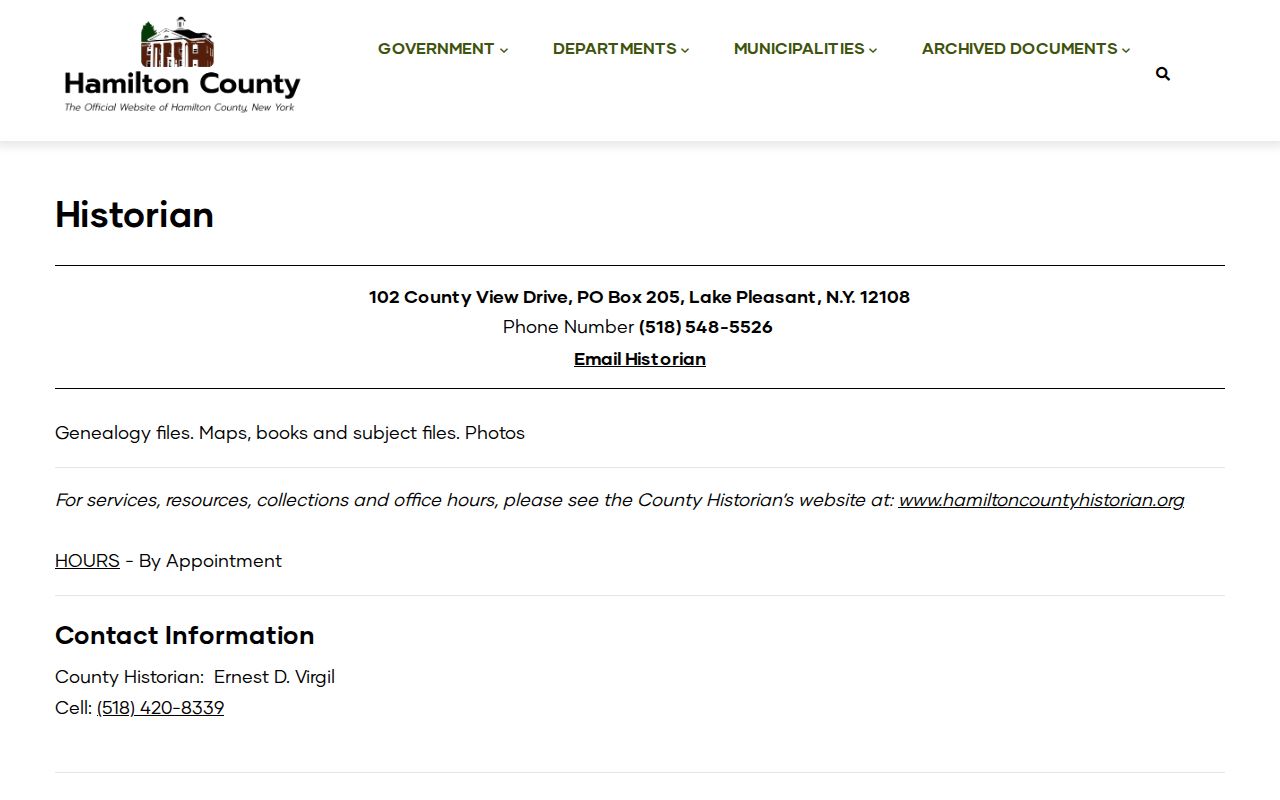
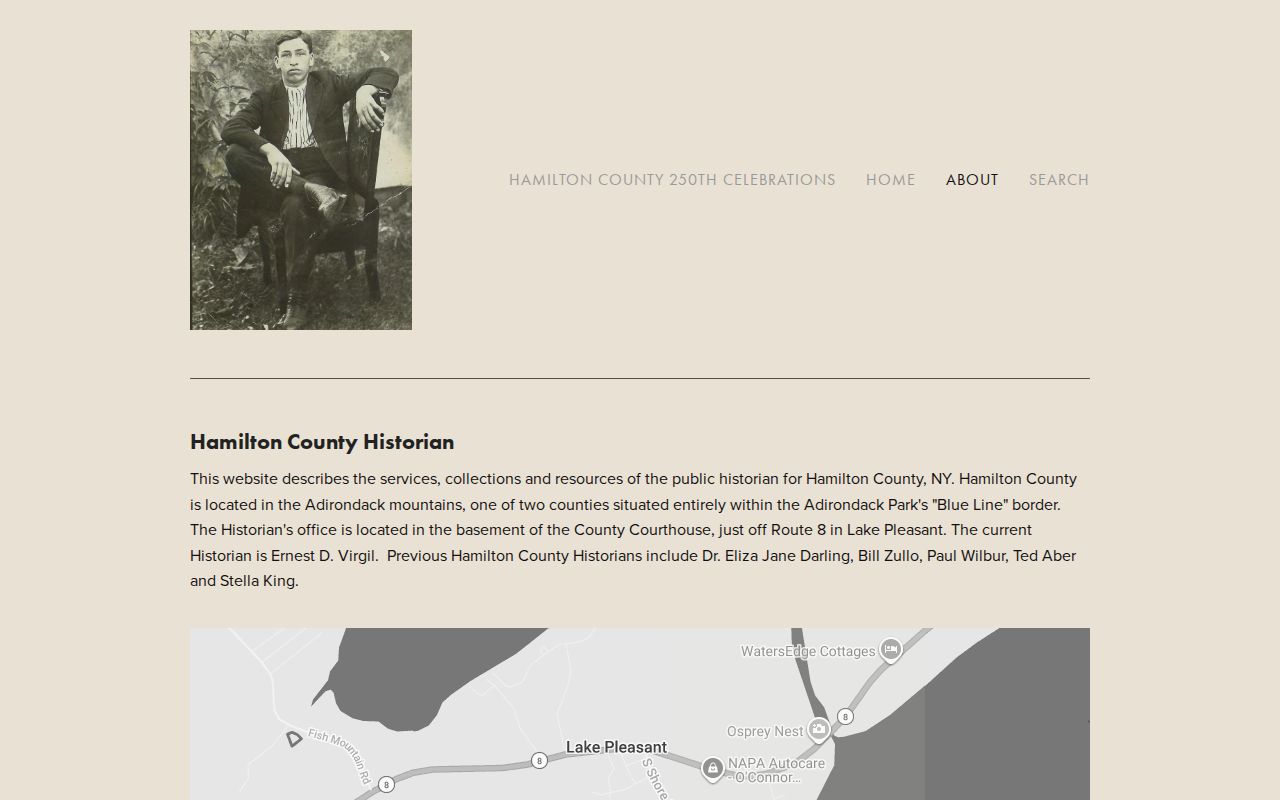
Historian material supports research but never replaces a deed. Cite the recorded instrument for the transfer itself, and use local collections to explain the history surrounding it. The Hamilton County Historian office description shows the courthouse-based setting where those collections live.
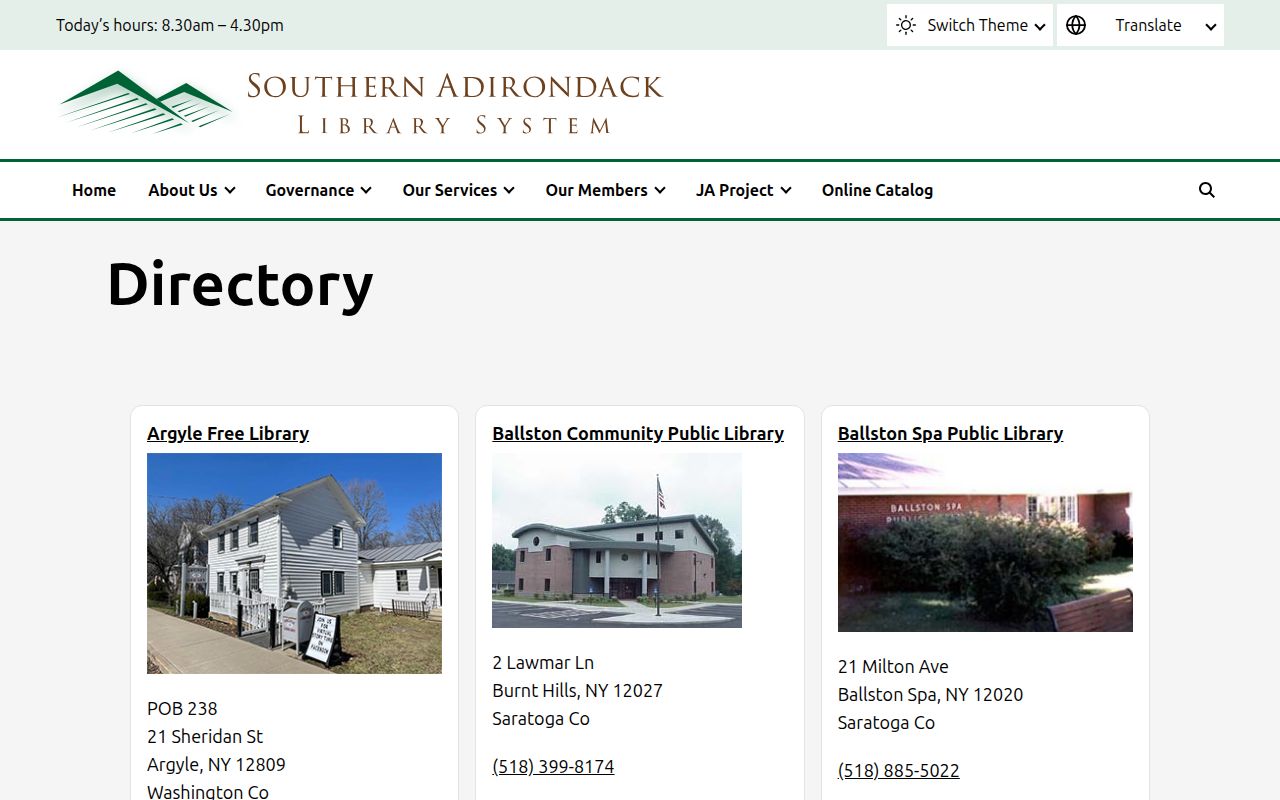
The Southern Adirondack Library System directory identifies Hamilton County member libraries.
Move From SearchIQS to Older Hamilton County Index Books
Hamilton County publishes SearchIQS access terms but no definitive online start year. When the digital chain stops, bring the last confirmed grantor to the Clerk's records room. Bring the approximate acquisition date too. The town and the legal description belong with you as well. There, ask for the proper grantor or grantee index and the right deed book. Never assume a person had no earlier acquisition simply because the screen went blank.
Older paper sits beyond the county too. New York State Archives explains that county clerks hold locally recorded deeds. Statewide recording requirements date to 1823. State repositories keep additional land-grant, cession, mortgage-foreclosure, and tax-sale series. The state transfer guide lays out those holdings in detail. Researchers ready to reach further back will find it worthwhile.
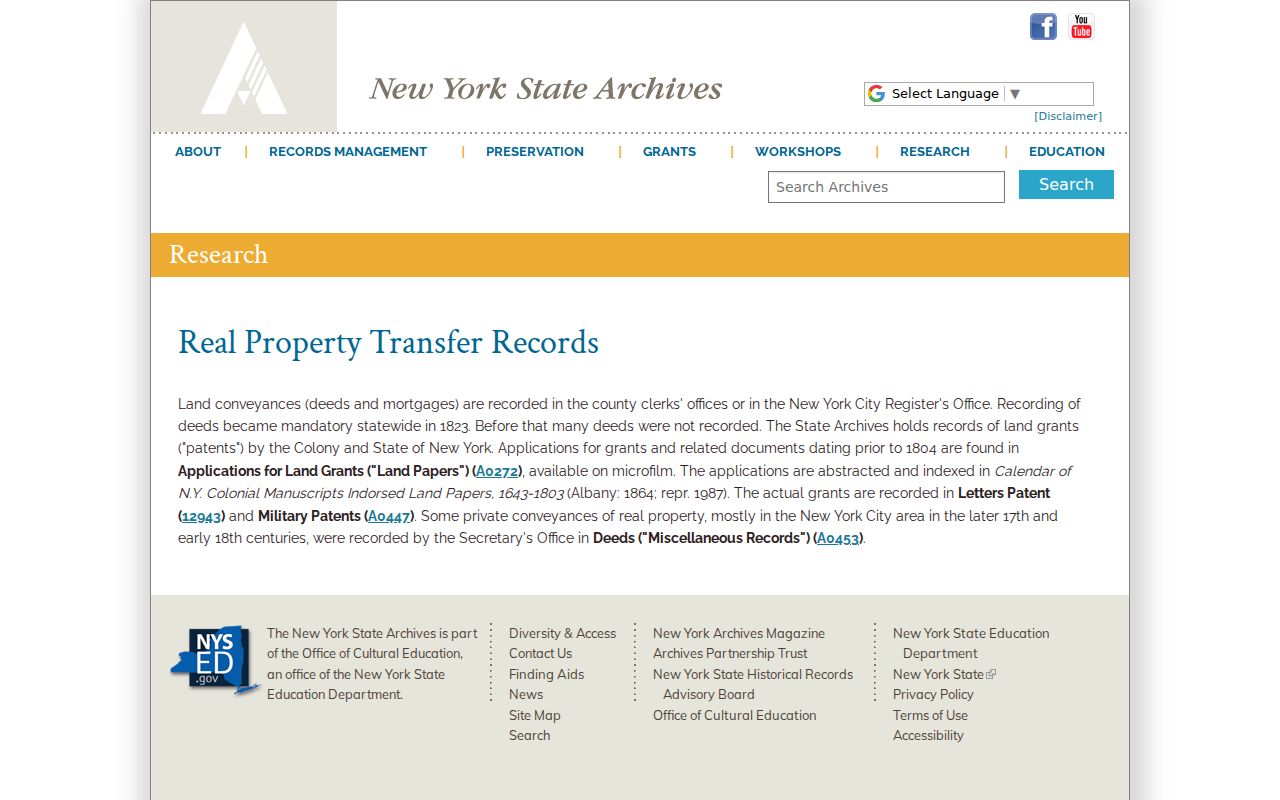
For state-origin research, the New York land-record series guide provides another documented path.
Check a Former-Owner Timeline Before Calling It Complete
Read the chain from newest to oldest, then audit it forward. Every grantee should reappear later as a grantor. Failing that, probate, a name change, a trust, foreclosure, or a tax deed should explain the break. Compare the legal description at each step, and note whenever only part of the land moved. A subdivision, lot split, or combined assessment parcel can make a name chain look continuous. Meanwhile, the ground beneath it changed hands. Annual assessment rolls can corroborate who was taxed on a parcel in a given year. They are not substitutes for missing deeds. Treat them as dated checkpoints and preserve the roll year. A historian file, directory, or photograph can show a person's association with a place. Yet none of these establishes ownership. The finished timeline should separate recorded transfers, assessment evidence, and contextual sources into distinct layers. Watch for partial conveyances along the way. A grantor may sell one lot, keep the adjoining land, or later combine parcels under a single assessment identifier. Compare acreage, lot numbers, survey references, and exception clauses rather than assuming every deed covers the present parcel. If the description shifts, diagram the sequence in notes and pull the relevant plat. Number every transfer and cite the book and page or instrument reference. That small discipline keeps a long chain auditable. It also pinpoints the exact step that still needs an older index, probate file, survey, or archival source. Mark uncertain links in brackets within private notes. Remove no gap from the published timeline until an identified source resolves it. And remember that former-owner research is history. It is not a tool for locating or contacting anyone. Publish only what the chain requires, and verify against the official custodian's records.